How One Man’s Stubbornness Is Killing Rivian’s Market Appeal. With Stubborn Refusal To Include Apple CarPlay?
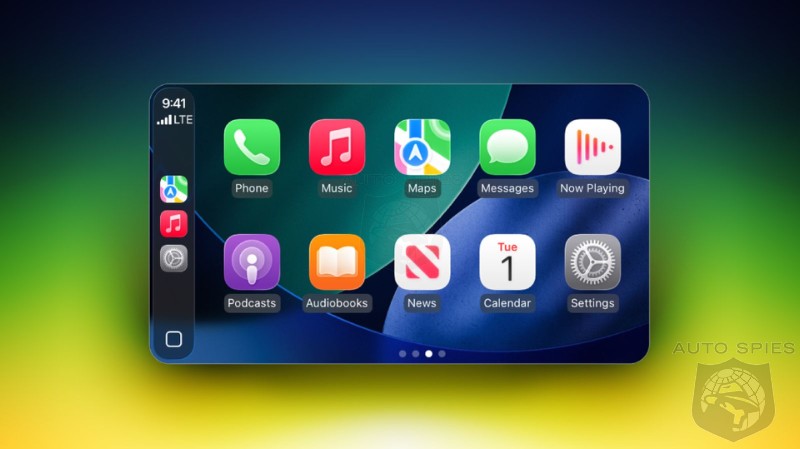
In a fresh episode of The Verge’s Decoder podcast, Rivian’s Chief Software Officer Wassym Bensaid doubled down on the electric vehicle maker’s long-standing rejection of Apple CarPlay. His reasoning? Screen-mirroring solutions like CarPlay “take over every single pixel,” disrupting the “end-to-end integration” Rivian wants to deliver. Instead, he envisions a future where deep AI integration renders the entire CarPlay debate “completely obsolete.”
Bensaid points to internal surveys showing demand for CarPlay has dropped from over 70% at launch five years ago to under 25% today. He argues that Rivian’s native interface, combined with advancing AI agents, will let drivers access app functionality seamlessly without relying on phone mirroring. Mono-threaded apps with buttons and icons, he claims, will evolve into “agentic” experiences that feel more holistic and convenient.
On paper, this sounds visionary. Rivian has invested heavily in its own software stack, delivering over-the-air updates, polished navigation, media apps, and now AI assistants. Full control allows tighter vehicle integration—something Apple and Google can’t match when simply projecting a phone interface. In an era of software-defined vehicles, owning the user experience could drive loyalty, subscriptions, and data insights.
Yet the stance feels increasingly out of touch. CarPlay remains wildly popular for good reason: it’s familiar, reliable, privacy-focused for many users, and instantly transfers preferences, maps, messages, and music across any compatible vehicle. Rental cars, family vehicles, or secondary drivers highlight its strength—no lengthy logins or relearning curves. Forum comments and broader industry sentiment show many potential buyers still cross Rivian off lists precisely because of this omission.
Bensaid’s bet on AI replacing these needs is optimistic but premature. Voice agents are improving, but they’re not yet a full substitute for proven, glanceable interfaces that millions trust daily. Declining survey numbers may reflect adaptation among existing owners rather than broad market appeal. Meanwhile, competitors integrate CarPlay (or equivalents) without sacrificing innovation.
Rivian’s conviction is admirable in theory, but dismissing a beloved standard as soon-to-be-obsolete risks alienating customers who value choice over corporate control. In a competitive EV market, stubbornness could prove more delusional than disruptive. Until Rivian’s AI truly delivers on its promises, many drivers will keep asking: why force us to choose?
How about THIS novel idea? Offer it as an option and LET THE CUSTOMER DECIDE?
Copyright 2026 AutoSpies.com, LLC