Study: Wide use of plug-in hybrids could equal removing 82 million cars
Study: Wide use of plug-in hybrids could equal removing 82 million cars
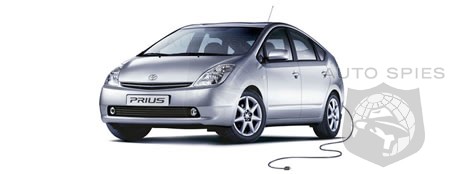
A new study by the Electric Power Research Institute (EPRI) and the Natural Resources of Defense Council (NRDC) shows that plug-in hybrid electric cars can be a significant component of the national effort to reduce greenhouse gas emissions.

One of the key findings that EPRI and NRDC discovered was that the widespread use of plug-in hybrids could reduce annual emissions of greenhouse gases from vehicles by more than 450 million metric tons by 2050. In English that is the same as removing 82 million passenger cars, or one-third of today’s...
Read Article

t_bonet_bone - 7/20/2007 9:30:14 AM
+3 Boost
It's a great idea that I fail to understand why Toyota hasn't done, really, the equivalent of a "firmware" update to the Prius to make this possible.

This, plus a total ban on oil from non-friendly nations, and we can succeed in getting the Middle East back to making rugs.


jon21jon21 - 7/20/2007 10:12:52 AM
+1 Boost
I think it is because Lithium battery is still not as safe as they want it to be for mass production vehicles. Once, they figure out how to make it safe for the mass public, then they will start selling them.


LexusLexus - 7/20/2007 10:27:40 PM
+1 Boost
I hope they will figure out how to do it soon and start to sales it.


hybridfarcehybridfarce - 7/21/2007 2:03:19 AM
+2 Boost
The most mature "large format" lithium batteries (cobalt-based) are very sensitive to overcharging. If they are overcharged, they heat up considerably. They also can't take much ambient heat without permanently degrading capacity. So without adding lot of active measures for these issues (which drives up cost), they aren't robust enough yet.

But new lithium chemistries are fixing these issues (lithium-iron-phosphate is looking very good so far). And nanotechnology is furthering the progress. Perhaps within 5 years?


EnnNorakEnnNorak - 7/21/2007 1:22:11 PM
+1 Boost
I'd like to see the complete math on this. Plug-in hybrids are better than non-plug-in hybrids but emissions and energy production would be shifted from automobiles to the power companies. Hybrids of any type are really only practical for virtually pure urban use. Mass rail transport is a better idea for commuters as it eliminates the parking problem. I will admit, however, that even though emissions are shifted to the power companies, these emisions may be easier to control at the macro level. I encourage power companies to increse their profits by offering special rates to consumers who recharge their plug in hybrids during off-peak hours. This would require electricity meters and a billing system that recognizes different rates for diferent times of day that the electricity is used.


Copyright 2026 AutoSpies.com, LLC