Turbochargers Go Mainstream But Do You Trust Them For The Long Haul?
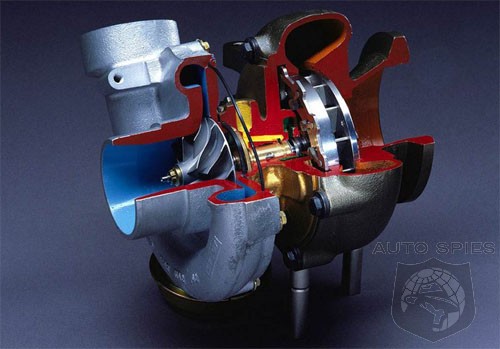
Turbochargers Go Mainstream But Do You Trust Them For The Long Haul?
Turbocharging for decades a symbol of high-end, on-demand power — has finally gone mainstream. It's easy to forget that when the technology's first real ambassador, the Porsche 911 Turbo, debuted in 1974, the Arab oil embargo was at its peak. The "No Substitute" Turbo offered performance and pragmatism: turbochargers boost pressure in the engine, increasing torque and horsepower, while dropping fuel consumption. But as gas lines disappeared, so did the emphasis on fuel economy. Never a low-end feature, turbocharging then became an added bonus for, say, the well-heeled BMW  or Mercedes-Benz  owner who loved driving fast and hard. Still is.


But at this year's New York International Auto Show, it was clear that the technology isn't just being used for its get-up-and-go possibilities any more here in the United States, as high-performance turbocharged models from the likes of Volvo and BMW were joined on the show floor by much more affordable, turbocharged models from Chevrolet, Hyundai and Kia. Why? To boost fuel economy, of course.


2010 New York Auto Show Photo Gallery

2011 Ford Mustang Photo Gallery

Geneva Motor Show Photo Gallery


AutoSpies.com Photo Galleries

If you want to see your photos running on our homepage photo ticker, be sure to upload your photos on the go by sending them to Mobile@AutoSpies.com

Share on Facebook


Read Article

kpaxxkpaxx - 4/20/2010 11:58:38 AM
-2 Boost
Not really I have replaced or help replace many a turbo in subarus, volvos, porsches, chryslers, nissans, and toyots.

They spin fast and are under high heat conditions, this is a setup for trouble.

I think with proper care you can get 200Kms out of them but care and maintenance are the key. Beyond 200Kms something will give.


Agent009Agent009 - 4/20/2010 12:25:38 PM
+1 Boost
kpaxx - On the contrary my turbo just turned over 200,000 miles and has no issues. However I change the oil religiously and only use synthetic (factory recommendation).

Every turbo motor I have owned has never had any turbo related issues.


SteveSteve - 4/20/2010 12:59:45 PM
+3 Boost
My friend's SAAB is on the original turbo-charger after over 250,000 miles. His startup procedure keeps revs low and turbo off until oil is thoroughly warmed up. Shutdown procedure allows turbo to stop spinning before shutting engine off. Regular oil changes with quality oil. A little care goes a LONG way to extend turbo life. YMMV.


dumpstydumpsty - 4/21/2010 3:25:14 PM
+1 Boost
GM had used turbo 3.8L V6 engines in the late 90's. Nobody really complained about them and they got excellent fuel ratings. Kinda wished GM had continued development of those configurations on smaller V8 engines (3.8-4.4L).


Joe_LimonJoe_Limon - 4/20/2010 12:53:26 PM
-1 Boost
009, Porsche wasn't the first ambassador to turbocharging, a decade earlier GM was mass producing them. And I have heard far more horror stories about turbo engines then I have good ones like yours 009.


Agent009Agent009 - 4/20/2010 1:34:23 PM
+2 Boost
Joe Limon - Are you still clinging to horror stories of the 60's and 70's turbo motors? You might want to review and give me some more current data.


PatronusPatronus - 4/20/2010 1:09:20 PM
+1 Boost
It obviously depends on how the turbo is cared-for (oil changes, quality of oil, care when cold, etc.).

But it also depends on the design of the turbo: Is it water and/or oil cooled? Does it have a pump that runs oil or water through the turbo after shut-down (VW's do this)? Is it placed in an area that allows it some cooling?


chidocchidoc - 4/20/2010 1:47:17 PM
+2 Boost
I have an 02 VW Jetta with over 165K miles and it has been chipped since it had only 30K. Change oil regularly with syn and have no problems at all. It runs better now than when it was new!


truckmantruckman - 4/20/2010 2:52:18 PM
+2 Boost
I love technology, I love the way ford is doing it with keeping the compression high and using regular pump gas, and no turbo lag..


LexSucksLexSucks - 4/20/2010 4:06:11 PM
0 Boost
Only Americans are afraid of Turbos. The rest of the world doesn't seem to have an issue with them. In fact anyone who thinks that Turbos are a receipe for trouble is a fool (and probably American).

I love turbos. Owned 4 cars that had turbos and never had to replace one. Look at it this way... Semi trucks use Turbos and they run forever. Yeah... I know diesel is different, but I'm just sayin'.


BozzorTheGreatBozzorTheGreat - 4/21/2010 6:41:02 AM
+1 Boost
Turbocharging is here to stay for the times we are in: whilst it will be tough to approach the linearity of a fine N/A engine, the latest turbos come damn close, and for that small tradeoff (which admittedly is vital to many) offers sizable benefits in power and - especially - torque, with fuel consumption benefits to boot. About 20 years ago, turbos were line ball, bit nowadays they are very robust, though nobody would kid themselves that they would have the same durability as a N/A engine.


Joe_LimonJoe_Limon - 4/21/2010 4:19:50 PM
+1 Boost
fuel economy benefits are debatable. The extra power does still require extra fuel, so adding a turbocharger will increase the fuel economy... but what it does allow is for manufacturers to use smaller more fuel efficient engines... I'm not entirely convinced that the fuel economy gained by reducing engine size is enough to counter the fuel economy lost by turbocharging.


pennfootballpennfootball - 4/21/2010 10:41:53 AM
0 Boost
The new Ford Ecoboost Turbocharger is rated over 150,000 miles because it has water cooled bearing jackets that prevent coking and oil buildup burnt off on the bearings....this is what causes turbochargers to fail gentleman. The old days are over and these new Turbo's are a lot better, add synthetic oil to the mix instead of the recommended Cheap Dinosaur oil you may have a turbo EASILY last 200,000 miles.


ggcrashggcrash - 4/21/2010 4:25:00 PM
0 Boost
I know that this article is for the merits of turbocharging direct injection engines, however I'm surprised that nobody has mention the carbon build-up issues with these engines. Do a google search about "carbon build-up and direct injection engines". I fear that the reliability issues stem from direct injection, NOT turbocharging.


thstonethstone - 4/21/2010 6:25:17 PM
0 Boost
Call me old school, but I don't like them. The mileage improvements are marginal and seemless integration (no lag and a somewhat linear power band) is hard and expensive to come by.


Copyright 2026 AutoSpies.com, LLC