How Green Are Electric Cars? Depends on Where You Plug In
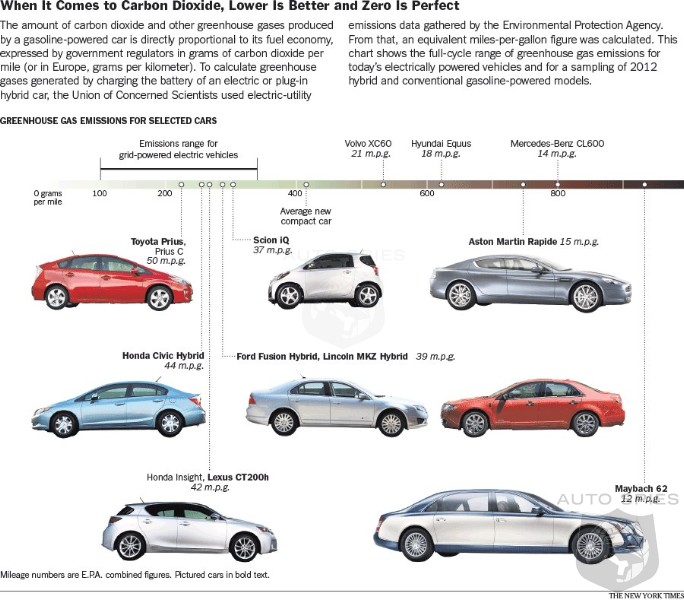
IT’S a lot like one of those math problems that gave you fits in sixth grade: a salesman leaves home in Denver and drives his electric car to a meeting in Boulder. At the same time, a physicist driving the same model electric car sets out from her loft in Los Angeles, heading to an appointment near Anaheim. For both, the traffic is light, and the cars consume an identical amount of battery power while traveling the same number of miles. Being purely electric, they emit zero tailpipe pollutants during their trips. The test question: are their carbon footprints also equal? The answer may be a surprise. According to a report that the Union of Concerned Scientists plans to release on Monday, there would be a considerable difference in the amount of greenhouse gases — primarily carbon dioxide — that result from charging the cars’ battery packs. By trapping heat, greenhouse gases contribute to climate change. The advocacy group’s report, titled “State of Charge: Electric Vehicles’ Global Warming Emissions and Fuel Cost Savings Across the United States,” uses the electric power requirements of the Nissan Leaf as a basis for comparison. The Leaf, on sale in the United States for more than a year and the most widely available electric model from a major automaker, sets a logical baseline.
Read Article
Copyright 2026 AutoSpies.com, LLC