Tinkering Under Your Hood May Now Land You In Court For Copyright Infringement
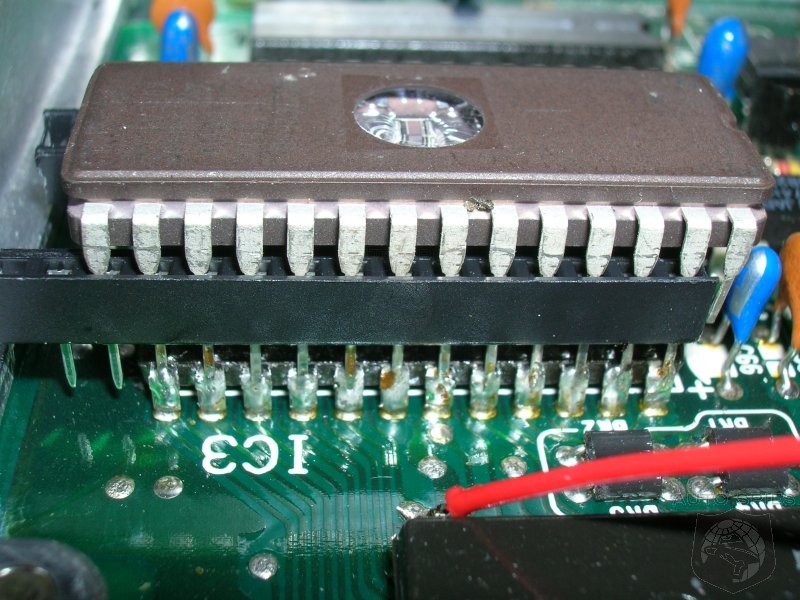
Tinkering Under Your Hood May Now Land You In Court For Copyright Infringement
Tinkering to get better performance out of your ride is one of the more rewarding aspects of vehicle ownership. The thing is, as cars have become more and more computer-dependent, getting a horsepower boost or better gas mileage by swapping exhaust systems or air filters is just the beginning. Sometimes to hit the level you'd want, tweaking the engine control or primary control module by aftermarket means is necessary.

Thanks to the Digital Millenium Copyright Act, however, that puts wrenching on your vehicle into murky legal territory. The folks at the Electronic Frontier Foundation (PDF) have your back and are hoping to keep the DMCA out from under your hood, though.


Read Article

Agent009Agent009 - 11/26/2014 9:54:16 AM
+1 Boost
This is similar to jailbreaking an iPhone. Apple said it was a violation of DCMA and took it to court.

It was basically ruled as legal because you own the phone and can do with it as you please as long as it doesn't affect users on the network.

Remember if you chip and are caught your warranty can be voided so this absolves the automaker of repair issues.

Even if the DCMA is ruled as binding in this situation, you can always attach a piggyback unit that fools the ECU into changing parameters and in many ways this is far easier to do.


TheSteveTheSteve - 11/26/2014 11:22:05 AM
+1 Boost
Copyright laws apply to the original code (computer instructions) and copying them for purposes other than making a backup. For example, if Hank the Hacker copies existing "chip" code, changes a few lines for better performance, and then distributes that revised code, then he's violating copyright laws.

But there's an easy way around that: do what the original PC cloners did:

(1) Team A analyzes the original code, understand what it does, and writes a "specification" that describes how to accomplish the same tasks. For PC cloners, this was the on-board code (BIOS) that automatically activated when you started the computer, and loaded MS-DOS. For a car, this code could be the computer instructions that control the engine's fuel/air/ignition system.

(2) You give the specifications to Team B. They now know what needs to be done and how to do it, but they have no knowledge of the original code that performs the task. Team B writes their own code, from scratch, that performs the required tasks.

At this point, you have Team B's code, which performs the same task as the chip's original code, but is NOT the original code or a derivative of it. Different code does not affected by the copyright law protecting the original code. Now you can do what you want with this code without worrying about copyright infringement. However, you've almost certainly voided the car's warranty if you use it on the car.


Copyright 2026 AutoSpies.com, LLC