Tesla's Model Y and Rivian's R1S have long been seen as direct rivals, battling for supremacy in the premium SUV segmentwith their cutting-edge tech, instant torque, and zero-emission credentials. A few years ago, that narrative held water—EVenthusiasts pitted these battery-powered beasts against each other in range wars and acceleration showdowns. But fast-forward to 2026, and the landscape has evolved dramatically. The real threat to these electric titans isn't coming from withinthe EV world; it's emerging from the hybrid camp, particularly no-compromise three-row models like the Hyundai PalisadeHybrid and the upcoming Kia Telluride Hybrid. These gas-electric powerhouses are redefining family-friendly SUVs byblending efficiency, luxury, and practicality without the headaches of pure EVs. What's not to love? Let's dive in.
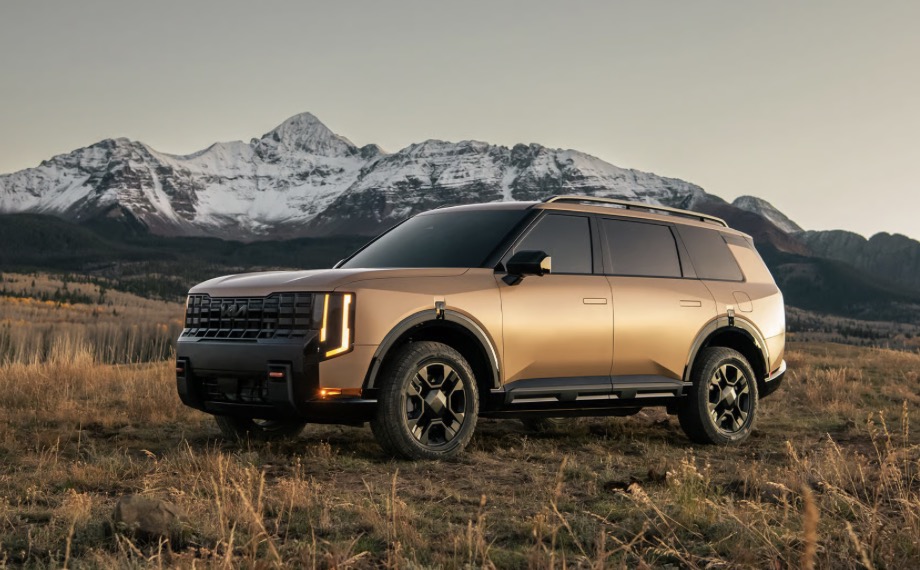
At the heart of this shift is the hybrids' ability to deliver uncompromised utility. The 2026 Hyundai Palisade Hybrid, starting at around $44,160, offers spacious three-row seating for up to eight passengers, with ample legroom in every row—no squeezing into a token third bench here. Powered by a turbocharged 2.5-liter four-cylinder paired with electric motors for a combined 329 horsepower, it achieves up to 33 mpg city and 35 mpg highway in front-wheel-drive guise, translating to a combined 34 mpg. Around town, that efficiency shines, easily hitting 38 mpg in stop-and-go traffic thanks to seamless electric assist. Similarly, the 2027 Kia Telluride Hybrid—expected to arrive in early 2026 with a starting price near $42,000—mirrors this setup, boasting Kia-estimated 35 mpg combined and a total range of up to 637 miles. Both models come loaded with luxury touches: heated and ventilated seats, premium audio systems, advanced driver aids, and upscale interiors that rival pricier competitors. ALL, on regular gas.

Contrast this with the Tesla Model Y's three-row variant, which starts at $46,630 for the Premium RWD model. While it offers impressive MPGe ratings—up to 125 combined—and a range of 294-357 miles, the third row is notoriously cramped, better suited for kids or short trips than adults on long hauls. The Rivian R1S, priced from $78,885, provides more generous seven-passenger space and up to 410 miles of range, but its MPGe dips to 85 combined in efficient trims. These EVs excel in performance— the R1S's dual-motor setup delivers 533 hp—but they come with inherent drawbacks: charging anxiety on road trips, where infrastructure lags, and longer refuel times compared to a quick gas stop.
Here's where hybrids pull ahead. No more hunting for chargers or worrying about range degradation in cold weather; just fill up like a traditional SUV and enjoy electric-like efficiency for daily commutes. The Palisade and Telluride hybrids tackle long drives effortlessly, with no compromises on towing (up to 5,000 pounds) or cargo space. Their designs are bolder too—sleek, modern exteriors with premium finishes that turn heads without screaming "eco-warrior." And the price? Significantly lower entry points mean you get more luxury for less, often undercutting EVs by $10,000-30,000 while offering comparable or better real-world usability.

Industry experts note this trend: as EV adoption slows due to infrastructure and cost barriers, hybrids are surging in popularity for their "best of both worlds" appeal. For families, the equation is simple—zero charging woes, superior fuel savings around town, and all the bells and whistles at a bargain.
In the end, we'd take the Telluride Hybrid over a Model Y or R1S any day. It embodies the future of sustainable driving without the compromises, proving that sometimes, the biggest enemy isn't the competition—it's evolution itself.