The more I see these on the road, the more I believe that not doing at least a hybrid or gas model was beyond idiotic.
They glide past in traffic—rounded, cheerful, retro-styled electric vans that instantly evoke the spirit of classic family haulers from decades past. Their playful design turns heads, promising space for kids, gear, and weekend adventures. Yet every sighting triggers the same thought: what a missed opportunity. In an era when many drivers still face range anxiety, spotty charging networks, and sticker shock, committing an entire model line to battery power alone feels like corporate hubris. A hybrid or even a basic gas version could have eased buyers in, delivering efficiency where it counts and unlimited range when it matters. Skipping those options wasn’t just cautious; it was reckless.
Automakers love to lecture us about the electric future, but the present is messier. Families shopping for a van want something versatile enough for soccer practice one day and a cross-country trip the next. Pure EVs force compromises—smaller payloads, longer refueling stops, and higher upfront costs—that many simply won’t accept. A hybrid powertrain would have solved most of those headaches while still cutting emissions and fuel bills. It would have broadened the appeal dramatically, turning a niche curiosity into a mainstream family mover.
That vehicle, of course, is the Volkswagen ID Buzz. When VW first teased the concept years ago, it was billed as the affordable, fun-loving successor to the old Microbus. Early projections suggested a price that could compete with mainstream minivans, putting modern electric driving within reach for regular households. Reality has been far less forgiving. Today the ID Buzz starts north of $60,000 in many markets, loaded with premium features that few families actually need. Battery costs, supply-chain headaches, and the push for advanced tech have inflated the price far beyond those early promises. What was meant to be approachable now feels exclusive.
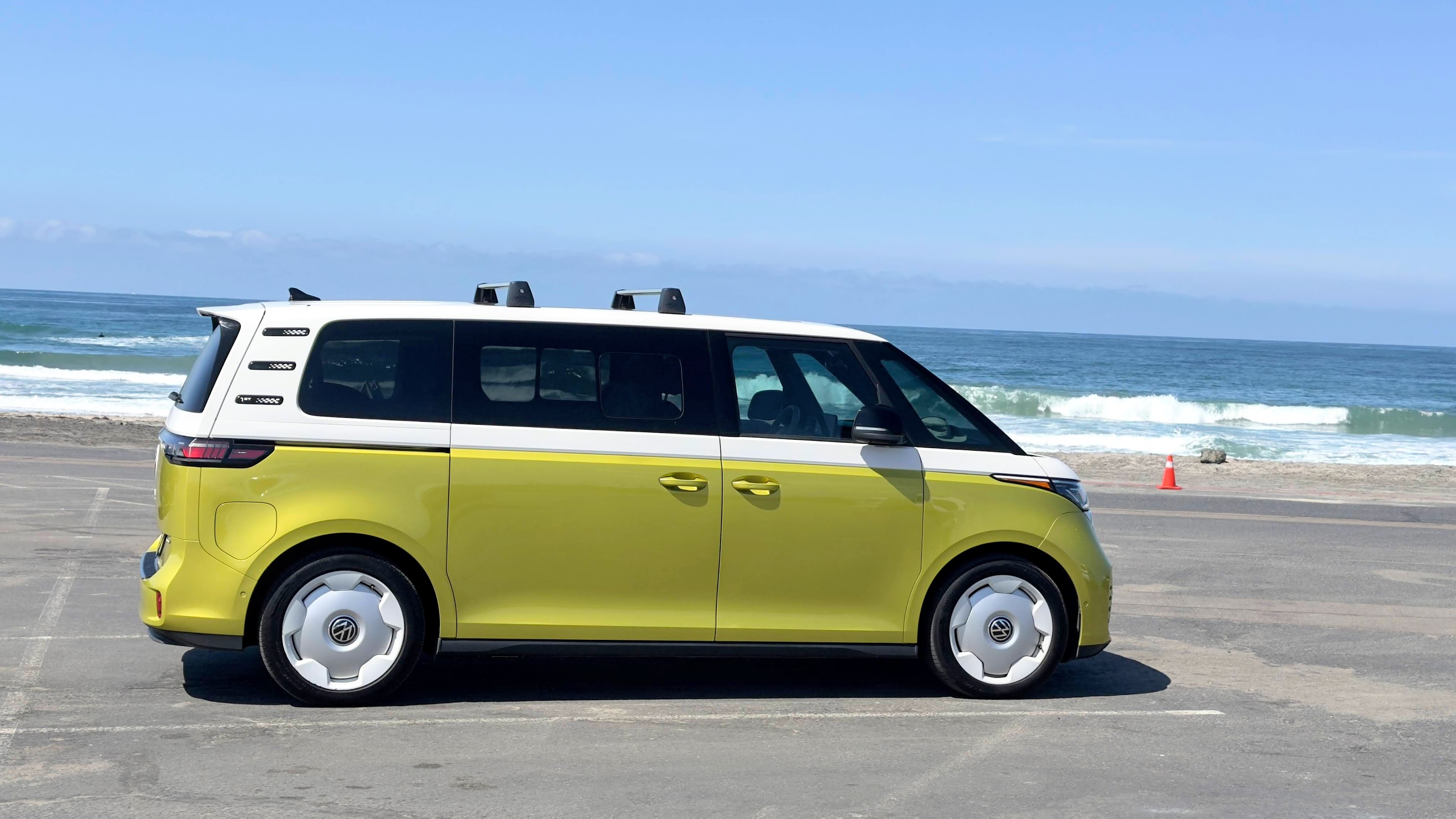
The result is a slow-motion flop. Sales have lagged behind expectations as buyers gravitate toward proven, lower-priced alternatives that don’t punish them for occasional long drives. The ID Buzz sits on lots longer than it should, its charm undercut by practicality gaps that a hybrid version could have closed overnight.
So, if you were in the market for a van right now, would you buy a Toyota, KIA Carnival, or a hybrid VW ID Buzz if it were offered?