Jeep finds itself at a crossroads few brands have faced with such intensity. The Wrangler remains an icon, yet the broader SUV market has shifted underneath it. Buyers now demand not only off-road credibility but also everyday luxury, cutting-edge technology, and value that no longer feels like an afterthought. Recent concepts and limited-run specials have tried to address this tension, yet they largely stay within familiar boundaries—tweaking suspensions, adding cosmetic armor, or layering on heritage cues. The result is products that feel more like incremental updates than genuine responses to a market that has already moved on.
These lame attempts like the Desert Scrambler are NOT what Jeep needs, and as usual Auto Spies has the answer YEARS before the rest of the auto companies and media will catch on to the genius of it. If Jeep is really serious about taking the game to the next level, the answer is to do a China on the rest of the USA SUV market. Look at what Kia accomplished with the Telluride: it didn’t invent a new category so much as redefine what was possible inside an existing one—delivering near-premium presence, features, and refinement at a price that undercut the established players by tens of thousands. Jeep could execute the same maneuver with a Jetour-like Wrangler that absolutely smokes the current Defender.
The vehicle in question would retain the Wrangler’s open-air personality and trail hardware while adopting the bold, upright proportions, integrated lighting signatures, and high-tech cabin details Chinese brands are already unveiling. Imagine a body-on-frame architecture with serious approach and departure angles, a roof rack system designed for real gear rather than show, and a front end that projects capability without resorting to cartoonish excess. Inside, expect the kinds of wow features Chinese manufacturers now treat as standard: expansive digital displays that can be configured for off-road telemetry or passenger entertainment, premium audio that doesn’t require a six-figure price tag, multi-zone climate systems with rapid preconditioning, and clever storage solutions that make the vehicle genuinely useful for families and adventurers alike. Materials would feel modern and durable rather than recycled from a parts bin that dates back a decade.
Pricing would follow the Telluride playbook. Position a well-equipped version roughly $20,000 below a comparably optioned Defender. That gap is large enough to force shoppers to reconsider brand loyalty and small enough that the product still feels special rather than cheap. Volume would follow, and with it the economies of scale that let Jeep keep improving the formula instead of protecting margins on low-volume halo models.
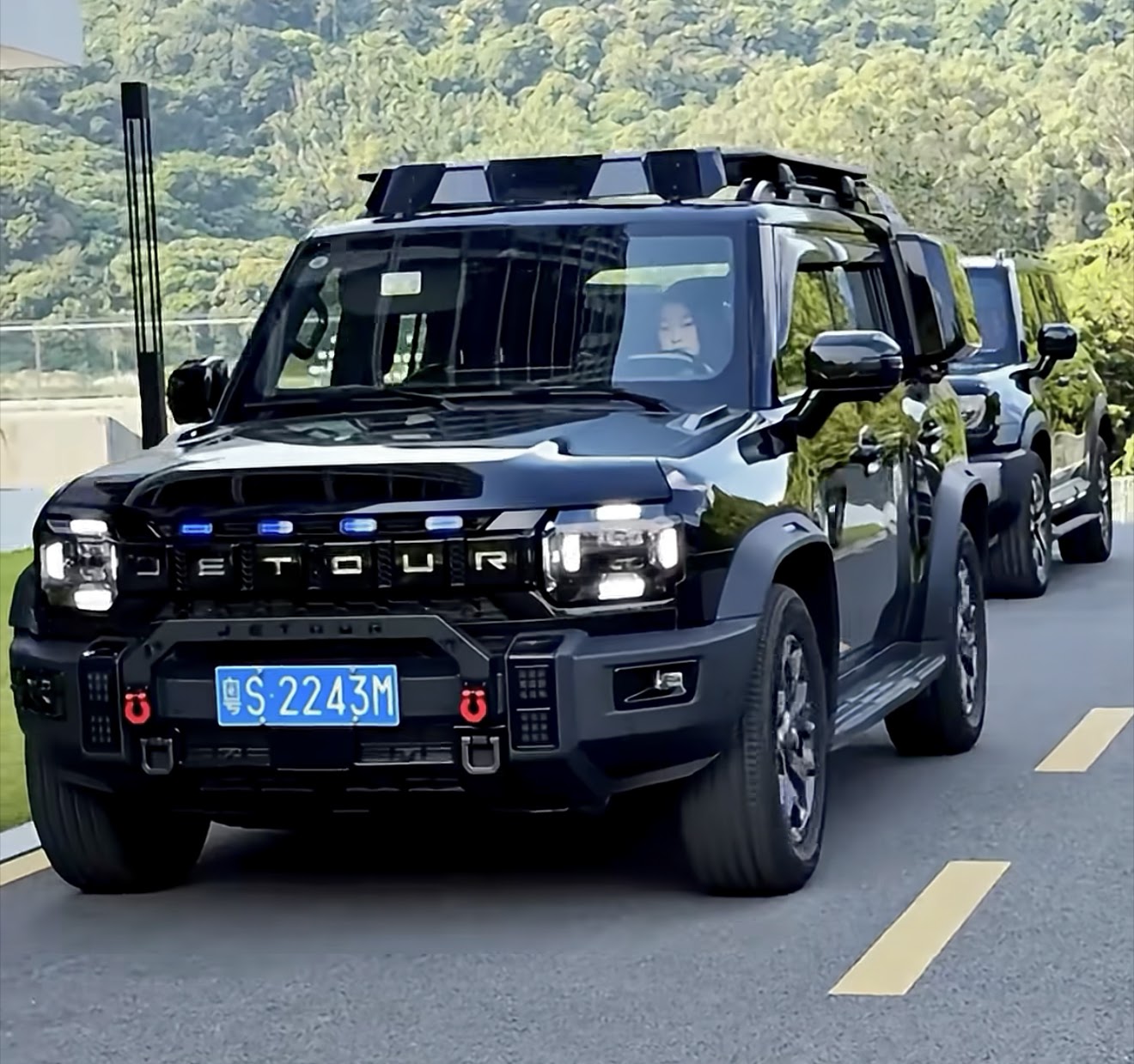
The competitive threat is already visible. Chinese SUVs are proving that rugged design, advanced features, and aggressive pricing can coexist. Waiting for the Defender or traditional domestic rivals to set the pace is a losing strategy. Jeep has the brand equity and the engineering heritage to lead rather than react. What is required is the willingness to treat the next Wrangler not as a careful evolution of past successes but as a clean-sheet response to present realities.
Do you agree with our assessment that revolution, not evolution, needs to occur—and fast?
Are you listening TIm?